
How to Become a Paid Content Creator on TikTok
Pick a paid creator path first, then build proof, workflow, policy checks, and a realistic next action instead of chasing random views.
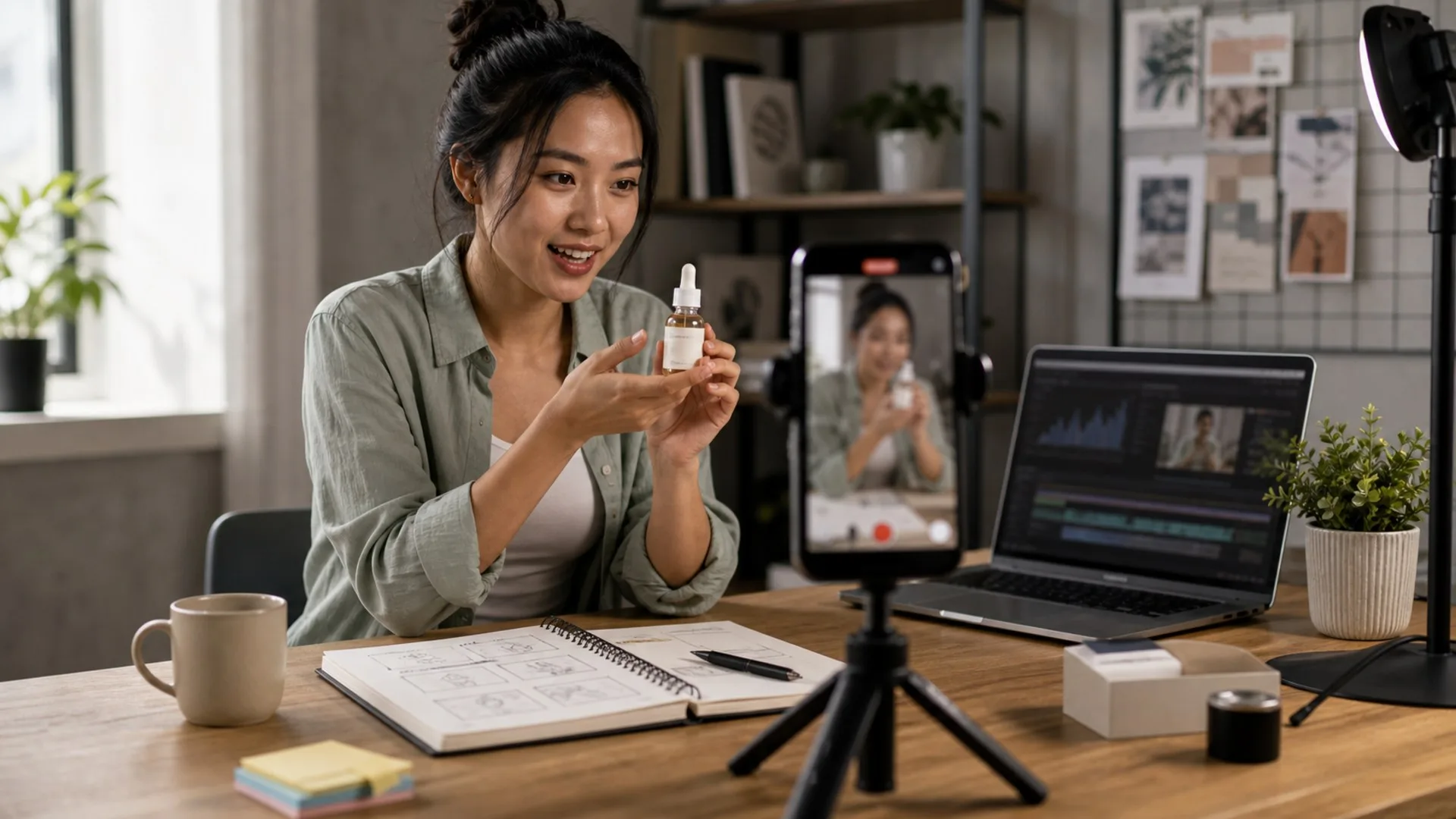
Becoming a paid content creator on TikTok starts with choosing one pay path, then building public proof that fits that path. Many people get their first paid result through brand, UGC, or client work before native TikTok programs because TikTok's own monetization tools come with live market, policy, and activity gates. The decision rule is simple: pick one payer, shape your profile and samples around that payer, and wait to stack extra lanes until the first lane shows real traction.
Short answer: choose a pay path first
To become a paid content creator on TikTok, first decide whether you want TikTok to pay you, a brand to pay you, or a client to pay you for making TikTok content. Those routes look similar from the outside, but they run on different proof. Creator Rewards needs eligible original videos. Brand or UGC work needs sample assets and compliance. Client or in-house work needs a clear offer and business-fit proof. Most beginners move faster when they choose one route, build 10 to 15 proof posts around it, and ignore the urge to join every monetization tab at once.
Pay-path fit
- Native TikTok programs
best for creators who already post consistently in one topic lane and can meet live eligibility gates. Proof that matters: recent original videos, steady topic fit, clean account standing. Main gate: region, account status, and program-specific rules. Best first step: publish eligible samples before you apply.
- Brand or UGC work
best for creators who can script, shoot, and edit native-feeling clips even without a large audience. Proof that matters: 3 to 5 strong sample concepts, one clear niche, one easy contact path. Main gate: disclosure, music rights, and creative fit. Best first step: turn the profile into a small portfolio.
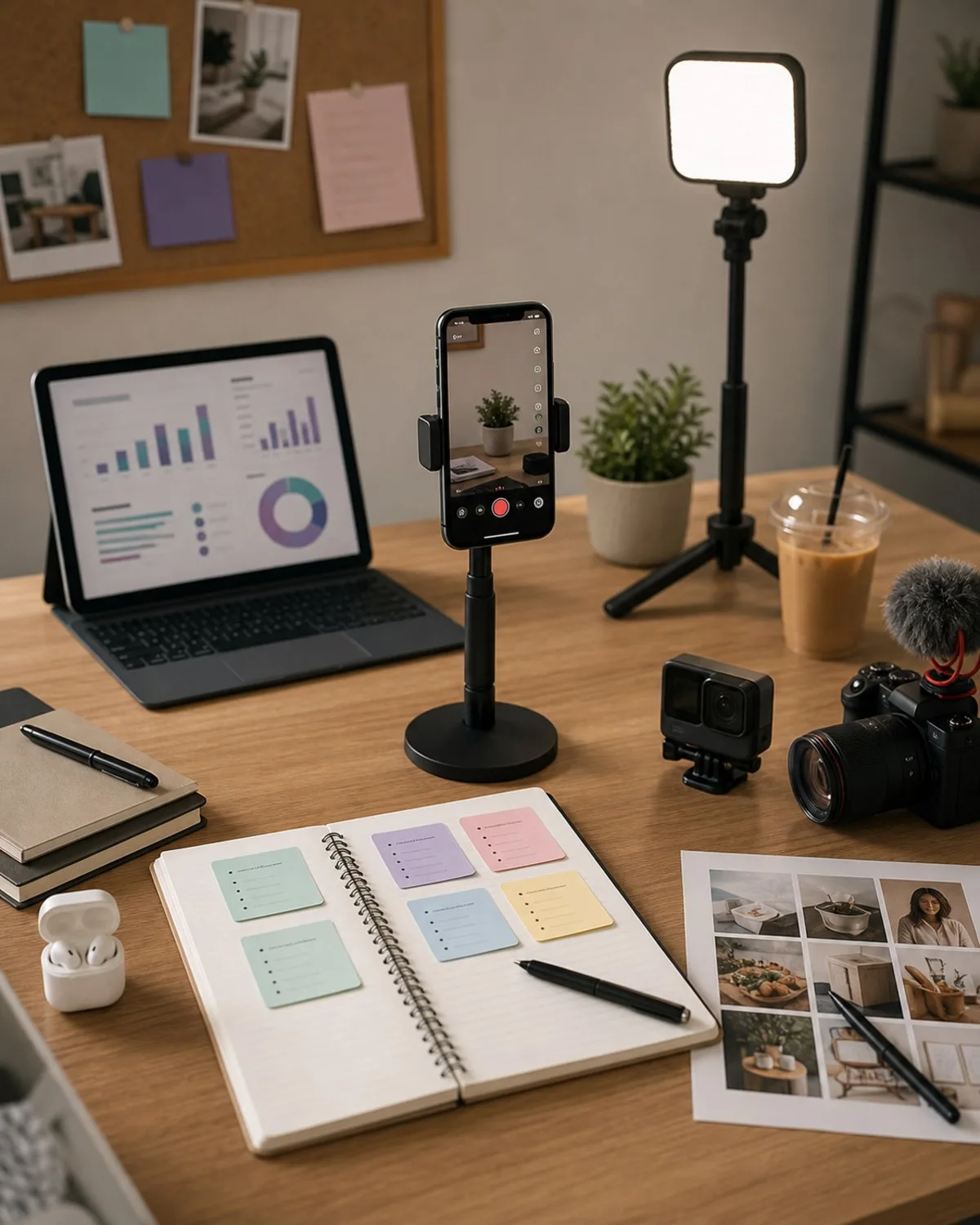
Path 1: Native TikTok monetization
Native TikTok monetization is real, but it is usually the most gated route. Creator Rewards, TikTok One, Series, Video Gifts, LIVE Gifts, and Shop creator tools all sit inside different rule sets. Current TikTok support materials frame Creator Rewards around original videos that clear a minimum length and quality bar. TikTok One is the official collaboration surface for eligible creators and brands. Series fits paid premium collections. Gifts are viewer-support routes. Shop creator tools can open affiliate or seller-linked promotion in supported markets.
The business lesson matters more than any one threshold. Native programs are routes to qualify for later, not proof that you are ready to get paid today. If your profile is still mixed, your topic is still drifting, or your recent posts do not show a repeatable lane, native monetization should be a later layer, not your first strategy.
Path 2: Paid brand or UGC work
Brand or UGC work is often the fastest first route for creators who already know how to make useful TikTok-style content. A brand may care more about your hook quality, editing pace, product framing, and niche fit than your follower count. That is why a smaller creator with clean samples can sometimes get a yes sooner than a larger creator with vague proof.
This path still has hard rules. TikTok requires disclosure for paid or incentivized promotion, and commercial content needs music-rights care. Treat that as part of the workflow, not cleanup at the end. If you can show 3 to 5 strong examples in one category, keep the contact path easy to find, and make the compliance steps clear, brand or UGC work can beat waiting for a native program gate to open.
Path 3: Client or in-house creator work
You can become a paid TikTok content creator by selling TikTok creation as a service, not only by getting paid from your own account. This is the overlooked path for social media managers, freelancers, founders, and small teams. The buyer here is a business that needs hooks, scripts, demos, founder-led clips, or edit packages. The proof is not "look how famous I am." The proof is "here is what I can make, here is the process, and here is the problem it helps solve."
That makes client or in-house work a strong first path for people whose skill is planning and production. If your content process is already good but your own audience is still modest, packaging creator work for someone else's business may be the fastest way to reach paid status.
Recommended workflow
The clean workflow is proof first, gate check second, outreach third. Most beginners reverse that order and pitch too early. TikTok Studio, Creator Search Insights, and the official monetization pages make more sense after you choose one buyer and one content lane. Before that, they are just more tabs.
Step 1: Pick one pay path and one audience
Pick one buyer before you pick tactics. If you want platform-native money, your buyer is the audience plus TikTok's review logic. If you want brand or UGC work, your buyer is a brand that needs native-feeling assets. If you want client work, your buyer is a business that needs repeatable short-form output.
Then choose one topic cluster that can produce several proof posts without strain. Repetition is a feature at this stage. A beauty creator might choose problem-solution demos. A SaaS manager might choose founder explainers and objection handling. A local service business might choose quick before-and-after clips. One buyer, one topic cluster, one path to payment.
Step 2: Build a creator-ready profile and proof stack
A paid-creator profile is a proof surface, not only a bio. A stranger should be able to tell what you make, who it helps, and how to reach you. Use pinned posts or recent posts to show the exact kind of asset you want to sell. If the route is brand or UGC work, the profile should feel like a live sample board. If the route is native monetization, it should also show recent posting consistency and a clear topic lane.
Keep the setup simple:
- one clear topic promise
- one visible contact path
- three or more strong proof posts near the top of the feed
- no mixed offer stack that hides the main goal
Step 3: Publish a 30-day proof sprint
Your first month on TikTok should be a proof sprint, not a random posting streak. The point is not to go viral. The point is to show repeatable capability. Pick one format and run it enough times to reveal pattern quality: product demo, hook-plus-tutorial, myth-versus-reality, founder explainer, quick review, or one recurring niche question.
Creator Search Insights can help you spot search-led demand, while TikTok SEO clarity can help you keep the topic language, opening hook, and profile lane aligned. That matters because buyers and program reviewers respond to clear proof, not to content that changes subject every other post. After four to six proof posts, you should be able to tell whether the lane is getting better or still confusing people.
Proof stack by route
- Creator Rewards path: original long-form samples in one topic lane, recent activity, clean openings, and a pattern that can keep producing eligible videos.
- Brand or UGC path: a product demo, a problem-solution clip, a review or comparison clip, and one script or shot style that shows range without changing niche.
- Client-work path: a one-page offer, sample hooks or shot lists, and examples that show you can tie content to a business outcome such as replies, clearer product framing, or better lead quality.
Step 4: Turn on the right monetization surfaces
Do not apply everywhere at once. Turn on only the surfaces that match the route you chose. If you are on the native path, review Creator Rewards, TikTok One, Series, Gifts, and Shop tools that your market actually shows. If you are on the brand path, the key surfaces may be much simpler: a clean contact path, a good sample stack, and TikTok One only if you are already eligible. If you are on the client-work path, a sample reel, one-page offer, or short deck outside the app may matter more than any in-app monetization page.
More tabs do not equal more progress. Match the surface to the path, not the other way around.
Step 5: Apply, pitch, or package the work
The first paid attempt should be narrow, easy to say yes to, and tied to visible proof. Native creators should apply where eligible and keep publishing content that still fits the rules. Brand or UGC creators should pitch a small set of niche brands with a few sample concepts, not a long agency-style deck. Client-work creators should package one starter service such as product demos, founder clips, hook rewrites, or short-form edit bundles.
Ask for the smallest credible paid yes. A compact first package teaches more than a giant proposal. Once one lane shows that it can produce repeat work, then you can widen the offer.
Constraints and edge cases
Most bad advice about becoming a paid TikTok creator fails because it ignores route conflicts, market limits, or compliance rules. TikTok monetization is not one switch. Each route has its own gates, and some of those gates change by market or product. That is why old roundup posts go stale so quickly.
Route gate snapshot
- Creator Rewards: current support docs focus on original, high-quality videos over one minute. Draft caution: keep sponsored work out of this lane.
- TikTok One: current eligibility pages publish age, follower, recent-view, and posting gates that can vary by region. Draft caution: check live copy before you build a pitch plan around it.
- TikTok Shop creator: market-specific. Current U.S. creator materials point to 18+ and a 1,000-follower gate, plus review steps. Draft caution: do not generalize U.S. rules globally.
- Paid brand content: paid or incentivized promotion needs the right disclosure label. Draft caution: set the compliance workflow before the post goes live.
- Commercial music: paid content should use Commercial Music Library audio or rights-cleared audio. Draft caution: do not assume trending audio is safe just because it is easy to add.
Region, account type, and gate drift
Native monetization gates drift by region, product, and sometimes account setup. That is especially clear in current TikTok One and Shop creator materials. TikTok One publishes age, follower, recent-view, and recent-post rules that may differ by region. U.S. Shop creator pages use their own market-specific gate set. Gifts, Series, and other tools also use separate eligibility logic.
Treat threshold details as live settings, not timeless rules. If you are building a plan around one route, check the current support page or the in-app copy before you promise yourself a timeline. Use old creator roundup posts for ideas only, not as the source of truth.
Sponsored content, disclosure, and music rules
If you want to get paid by brands on TikTok, disclosure and music rights are not optional details. TikTok's branded-content rules require the content disclosure setting for paid or incentivized promotion. Current support materials distinguish between promoting your own brand, product, or service and promoting another brand as part of a paid relationship. That means you should decide the label and the workflow before the content is shot, not after it is edited.
This is also the clearest route conflict in the article. Current TikTok support says Creator Rewards content must be original and not sponsored, which is why brand-work clips and Creator Rewards clips should stay in separate lanes. TikTok's commercial music guidance adds another boundary: paid promotional content should use the Commercial Music Library or other rights-cleared audio. If your monetization plan ignores these rules, the plan is weak even if the creative is strong.
Creators who receive native payouts may also face tax-information steps. That is another reason to treat program access as an operational layer, not as the only foundation of your paid-creator plan.
Managers and small brands: when hiring beats self-creation
Small brands do not always need the founder to become the content engine. If the founder has low on-camera fit, limited time, or weak topic repetition, the better move may be hiring a creator or retaining a manager who can build native-feeling output faster. The real question is not "Can the founder post?" It is "Which model produces steady proof, better output, and saner workload?"
The same logic helps managers. A social media manager can become paid through client retainers, launch packages, hook systems, or demo production even without meeting every native creator threshold on a personal account. If the business need is content output, hiring or packaging creator work can beat trying to force a founder-led creator identity.
Next action or measurement plan
The next useful move is a short setup sprint with a few clear metrics, not another month of vague posting. Without a measurement layer, it is easy to confuse activity with traction. Use the first two weeks to create proof, then judge whether the right people respond.
First 14 days
Two focused weeks are enough to produce the first real signal. The goal is not full-time income in 14 days. The goal is proof and a first paid attempt.
First 14-day paid-creator setup
- Day 1 to 2: choose one pay path, one buyer, and one topic cluster.
- Day 3 to 4: tighten the profile, pinned proof, and contact path so a stranger can understand the offer fast.
- Day 5 to 10: publish four to six proof posts built around one repeatable format.
- Day 11 to 12: review profile visits, saves, shares, replies, and repeated questions in TikTok Studio.
- Day 13 to 14: check the matching monetization surfaces, then send one small pitch or apply where eligible.
- End of day 14: decide whether to keep the lane, tighten the proof, or switch paths before adding anything else.
Finish the checklist before you add another monetization lane. More options feel productive, but early paid-creator work usually improves through tighter proof, not more tabs.
Metrics before the first paid yes
Early creator traction is buyer signal, not only view count. A post with modest reach can still be useful if it drives the right follow-up action. Before revenue shows up, track the signals that prove fit:
- profile visits from proof posts
- saves and shares on utility-led clips
- comment quality and recurring questions
- inbound brand or client replies
- outbound pitch response rate
Pre-revenue scorecard
- Proof signal: are people visiting the profile after seeing the right kind of content?
- Utility signal: do saves, shares, or smart questions suggest the clip solved a real problem?
- Buyer signal: are the replies coming from the kind of brand, client, or viewer you want?
- Clarity signal: can a stranger describe the offer after scanning the profile and recent posts?
Track whether the right people respond, not only whether many people watch.
Metrics after the first paid test
After the first paid test, the real question is not "Did I get paid once?" It is "Is this route repeatable?" One paid win can still hide a weak offer, heavy revision load, or thin margins. That is why the post-test layer should stay operational:
- repeat order or second brief
- time needed per deliverable
- approval-cycle friction
- tracked clicks, add-to-cart actions, or orders where the route supports them
- brand requests to reuse or amplify the asset
Post-test scorecard
- Repeatability: did the buyer ask for more work or a follow-on brief?
- Delivery economics: was the asset sane to produce, revise, and hand off?
- Commerce signal: if the route supports it, did the content drive a useful action after the post?
- Fit signal: does this lane make sense to keep, or did the work feel forced?
Keep the route only if the work is repeatable, useful, and sane to deliver.
Conclusion
Becoming a paid content creator on TikTok is usually a path-selection problem before it becomes a scale problem. The fastest route is rarely "join everything." It is choosing one way to get paid, building proof that matches that route, and asking for the smallest credible paid yes. Finish the 14-day setup, review the proof, and then either apply, pitch, or rework the lane with evidence instead of hype.
FAQ
Do you need 10,000 followers to become a paid content creator on TikTok?
No. Some native routes publish follower or view gates, but brand or UGC work and client work can begin earlier if your proof content is clear and easy to buy.
Is Creator Rewards the same as getting sponsored by a brand?
No. Creator Rewards is TikTok-native monetization for eligible original videos. Sponsored content is paid or incentivized brand promotion and needs disclosure. Current TikTok support also keeps Creator Rewards content out of the sponsored lane.
Can social media managers get paid for TikTok content without growing a large personal account?
Yes. Managers can sell planning, scripting, filming, editing, or package-based creator work to clients. The proof is the process and the output, not only the size of the manager's personal audience.
Can small brands use TikTok Shop creator tools as the first monetization path?
Maybe. Current U.S. Shop creator materials point to 18+ and a 1,000-follower gate, and Shop access varies by market. If the business mainly needs better short-form output, hiring a creator can be simpler than waiting on Shop access.
What should a creator-ready TikTok profile show before outreach?
It should show topic clarity, a visible contact path, recent proof posts, and a clear sense of what kind of content you can make for the route you chose.
Can you use any trending audio in paid TikTok content?
Be careful. TikTok's commercial-content guidance points paid posts toward Commercial Music Library audio or other rights-cleared audio, so a trending sound is not automatically safe for brand work.
Read next
Continue with adjacent articles that support the same public-viewing workflow.
guides
How to Create Content on TikTok and Get Paid
Create TikTok content around one revenue path, one recognizable lane, current eligibility checks, and a measurement plan that ties posts to payment signals.
guides
TikTok Content Ideas Without Showing Your Face
Use no-face TikTok ideas that still give viewers proof to inspect: screen walkthroughs, hands-only demos, close-ups, slideshows, and repeatable series.
guides
How to Monetize Your Social Media Presence: A Guide for Beginners
A practical beginner guide to choosing a first monetization route, preparing a public profile, and benchmarking peers with public signals only.