
How to Spot a Look-Alike Viewer Site Before You Browse
Before entering a username, check the official domain, the wording around visible results, and red flags that separate a safe viewer from a copycat page.
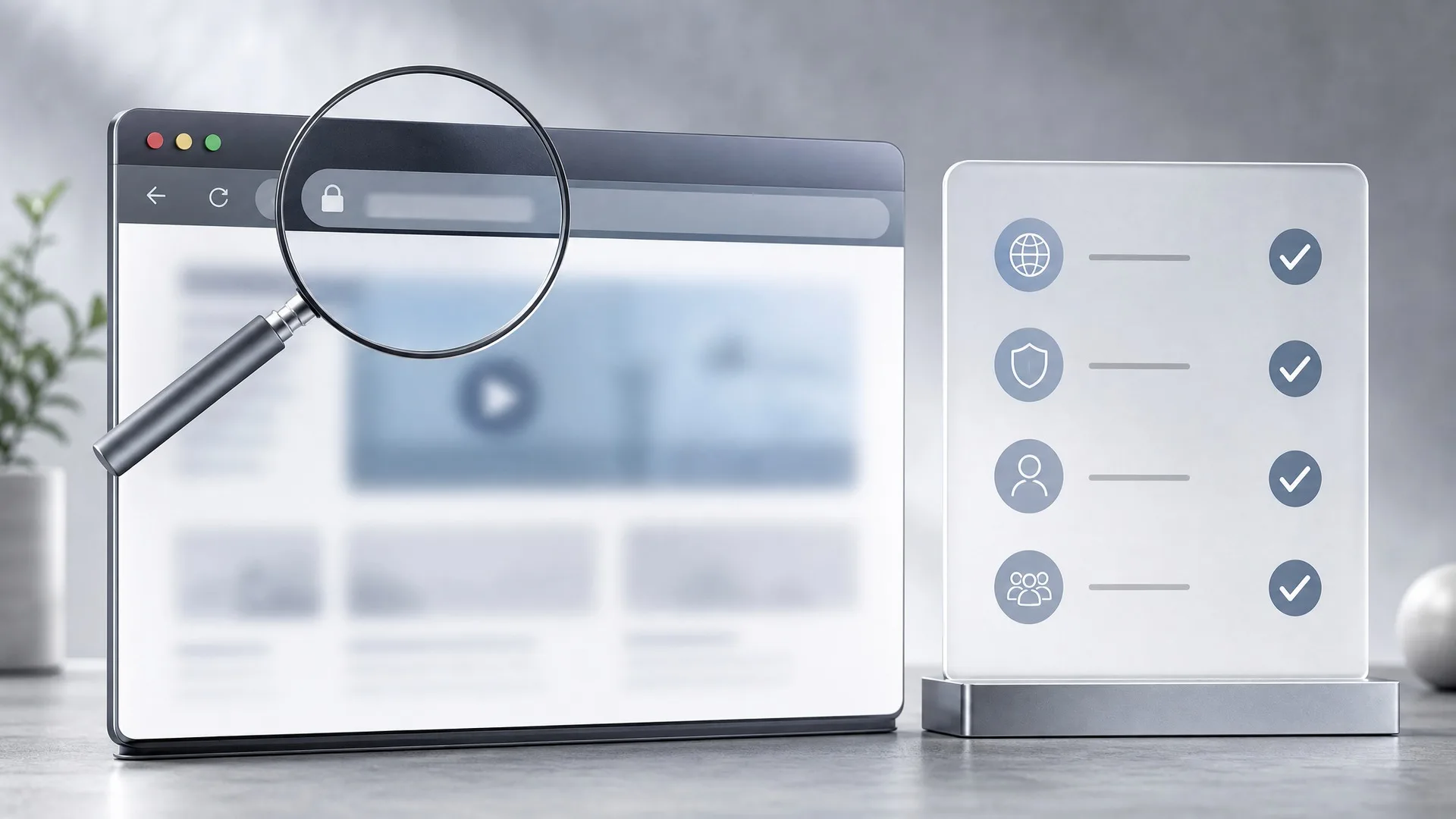
Look-alike viewer sites can create confusion when users arrive from old bookmarks, copied links, search results, or pages that use similar wording. Before entering a username, take one minute to confirm that the page matches the official public workflow and does not ask for more than a public check requires.
Check the address before the page design
The address bar is the fastest trust check. A page can look familiar and still be the wrong place, especially when similar names, copied layouts, or old links are involved.
If you meant to use InstaPV, confirm the official domain before typing anything. Then read the page promise and data request. The order matters because design is easy to copy, but the address and request are harder to ignore when you check them first.
Use this rule: address first, public-data promise second, username last.
Reject promises that exceed public viewing
A safe viewer page should describe what it can show and what it cannot show. Visible-data language is a good sign because it sets realistic expectations.
Treat these claims as stop signs:
- private content access;
- hidden activity history;
- deleted content recovery;
- expired story access;
- exact event times from a visible evidence check;
- complete lists that are not publicly exposed;
- guaranteed results for every profile.
Those promises may sound useful, but they do not match a no-login public workflow. If a page never explains limits, do not enter the username there.
Scan the data request before submitting
For a public check, a username or public link should be enough. A page should not need your Instagram password, recovery code, private login session, payment information for a basic public check, or private account access.
Use this look-alike safety scan:
- Domain: does the address match the official site you intended to use?
- Promise: does the page stay inside visible public content?
- Request: does it ask only for a username or public link?
- Limit: does it avoid claims about private, hidden, deleted, or expired content?
- Exit: would you leave if a credential prompt appears after a teaser result?
If any answer fails, stop before submitting. A teaser result is not a reason to share credentials.
Use status guidance instead of risky detours
A temporary loading problem can make a look-alike page more tempting. That is exactly when the safer path matters.
If the official site is slow, blank, or returning errors, check status guidance, refresh once, retry later, or use a clean browser session. Do not assume another page can safely open something the official workflow cannot show.
The outcome may be slower, but the decision is clearer: retry public loading issues through status steps, and stop at visible data limits.
FAQ
What is the first thing to check?
Check the address bar and confirm the official domain.
Is a similar-looking page always unsafe?
Not always, but it should be treated carefully until the domain, limits, and data requests make sense.
What should a public viewer ask for?
Usually a username or public link, not account credentials.
What if the official site has a temporary issue?
Check status guidance and retry instead of trusting a page that overpromises.
Read next
Continue with adjacent articles that support the same public-viewing workflow.
guides
Safe Public Viewing Checklist: What a No-Login Viewer Should Never Ask For
Use this safety checklist before entering a username: check the domain, avoid password prompts, and keep visible data boundaries clear.
guides
Why a Public Story or Profile Might Not Load
A calm troubleshooting path for blank public profile or story results: check the input, public status, active content, and service status.
guides
Public Profile Research Checklist for a Fast No-Login Review
Use a short public profile checklist to review bios, posts, highlights, comments, and audience signals without overreading one snapshot.