
The Batch Theory: Why Creating TikTok Content in Series Drives Algorithm Success
Turn TikTok batches into recognizable series through clear topic names, stable hook-to-proof-to-payoff structure, and visible pattern checks that do not treat batching as a reach hack.
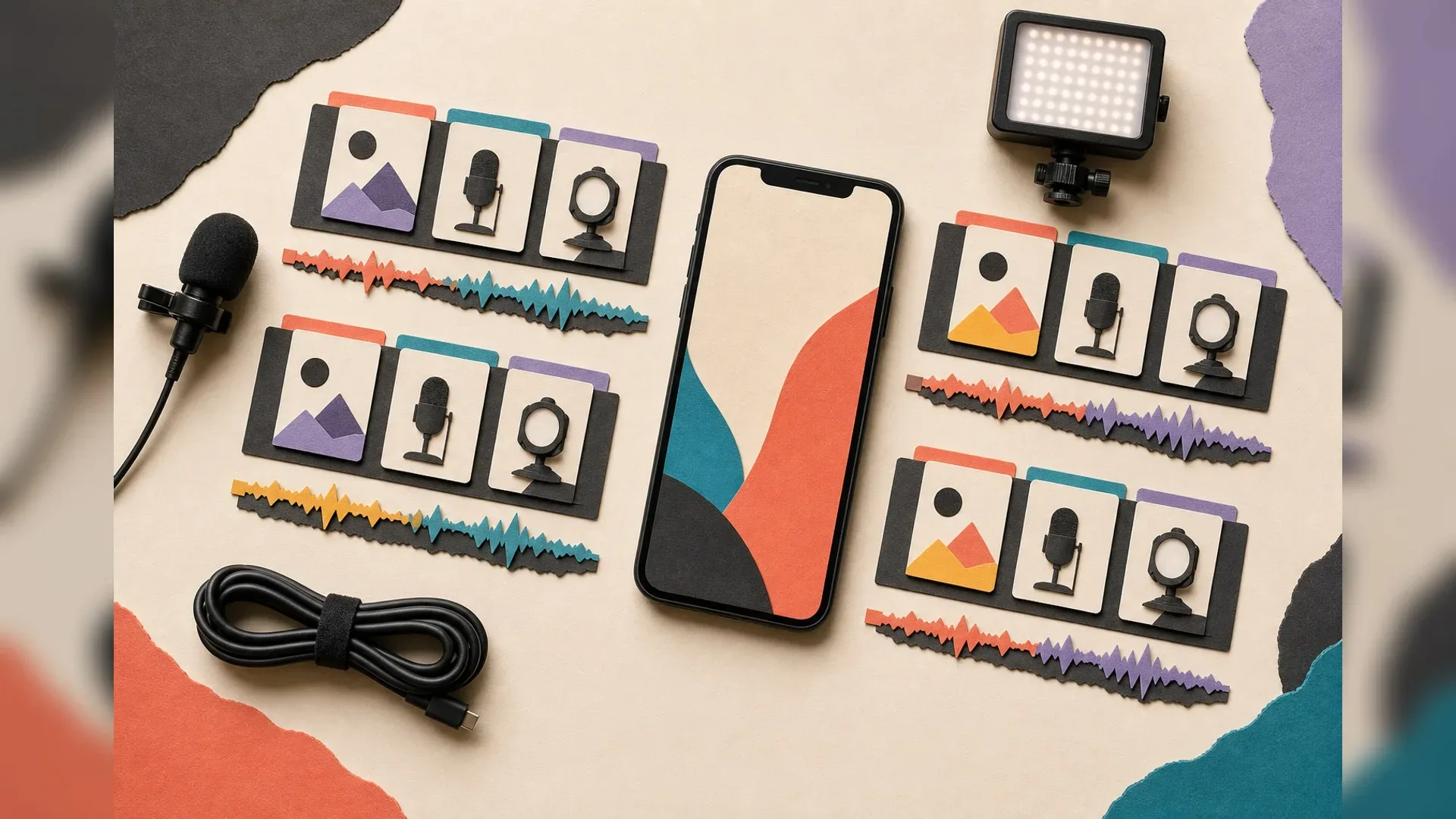
Batch theory works when a creator uses grouped production to build a recognizable series, not when they simply make many clips at once. The goal is pattern clarity: a viewer should understand what kind of post this is, what problem it handles, and why the next installment will feel familiar.
Batching is a structure decision
Weak batching creates a pile of similar posts. Strong batching creates a repeatable frame. The difference is whether each clip belongs to a clear series with a stable promise.
A useful batch has one subject lane, one recurring audience problem, and one repeatable format. The creator may vary examples, locations, guests, or proof points, but the viewer can still recognize the series quickly.
Define the series before the shoot
Start with the series promise before planning shots. A good promise is specific enough to repeat and flexible enough to support multiple posts.
Examples:
- one mistake small stores make with product pages
- three-second fixes for unclear short-form hooks
- daily examples of local travel decisions that save time
- quick teardown of one creator profile signal
- buyer questions that deserve a public answer before a private follow-up
Once the promise is clear, build a batch around repeated beats. The hook, example, proof, and payoff should be recognizable from clip to clip.

Use a repeatable beat map
The beat map keeps batching from turning into random volume. For each clip in the batch, fill in the same fields.
Batch beat map
- hook: the first promise or problem
- example: the concrete case shown in this clip
- proof: the visible reason to trust the point
- payoff: what the viewer knows by the end
- next lane: what the following clip in the series can answer
This connects directly to TikTok script structure. Batching is easier when each script has the same skeleton but different evidence.
Batch for learning, not just output
The strongest reason to batch is comparison. When five clips share the same structure, the creator can review what changed: the hook, example, proof timing, visual order, caption, or topic specificity.
That comparison is more useful than treating every post as unrelated. If a series about checkout friction works best when the product appears in the first second, the next batch can test that. If a teaching series works better with one question per clip, the next batch can narrow the format.
For topic discovery, compare the batch with TikTok SEO signals. The series should make the account easier to classify, not only easier to publish.
The batch decision rule
Use this rule before producing a series: if you cannot write five distinct examples under the same promise without repeating the exact same post, the lane is not ready for a batch.
That rule prevents shallow series. It also keeps the creator from making a theme look bigger than it is. A strong batch should reveal depth in the topic, not cover for a lack of ideas.
A practical series workflow
- Write the series promise in one sentence.
- List five examples that fit the same promise.
- Map the same hook, example, proof, payoff, and next-lane fields for each clip.
- Record in one production window.
- Review the batch as a set, not as isolated posts.
- Keep the structure if the audience can recognize the lane quickly.
Batching does not force a platform to reward the series. It gives the creator a cleaner experiment: repeated structure, varied examples, and a topic lane that becomes easier to notice.
FAQ
Does batching guarantee more reach?
No. It makes production and comparison cleaner. Reach still depends on many factors the creator cannot fully see from outside signals.
How many clips belong in a useful batch?
Five is often enough for a focused test. Fewer can be too thin; more can hide what changed.
What makes a batch feel like a series?
A repeated promise, familiar beat map, and examples that vary while still belonging to the same topic lane.
Read next
Continue with adjacent articles that support the same public-viewing workflow.
guides
Mastering the 3-Second Hook: How to Stop the TikTok Scroll and Boost Engagement
Review TikTok hooks through topic naming, first-scene order, early proof, and whether the opening promise matches the clip.
news
From Whispers to Trends: What ASMR Style Audio Actually Looks Like on TikTok
Spot ASMR-style TikTok audio through visible hooks, recording cues, and repeated formats, then test the style without losing subject clarity.
guides
TikTok for B2B: How 'Boring' Brands Are Finding Creative Success
See how B2B brands make complex offers clearer on TikTok through plain topics, repeatable series, and visible proof styles.